
What Happens in Your First Reformer Pilates Class?
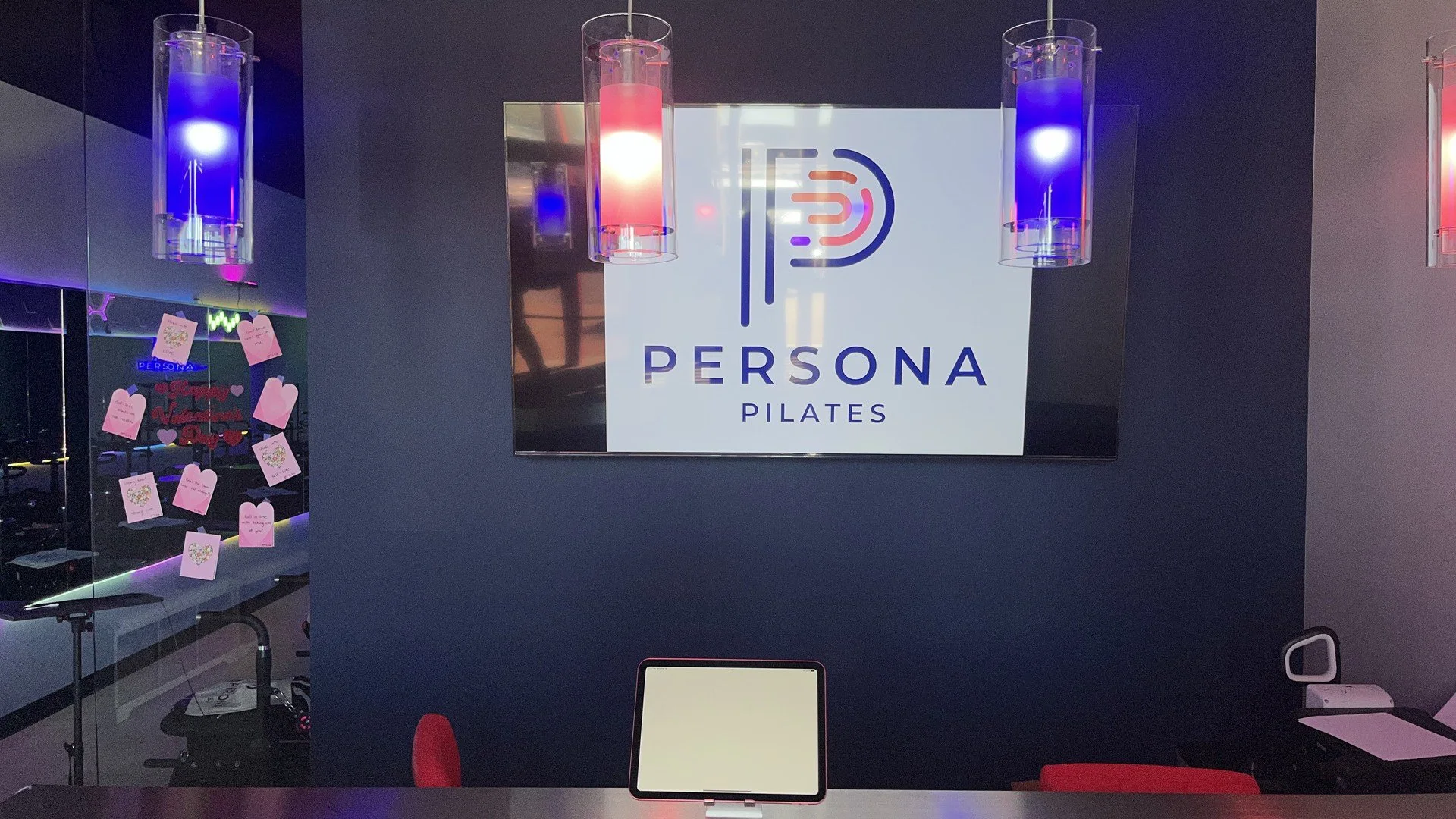
Your first visit starts here. Check in, grip socks on, then meet the coach who already has your profile.
Your first reformer Pilates class at Persona Pilates is a 45-minute, full-body session on a Maven reformer, and it costs $10. You check in a few minutes early, put on grip socks (required), and get a short intro to the springs and straps. Then an instructor who has already seen your Persona Survey coaches you through the class. No experience is needed.
First classes collect a lot of mystery they don’t deserve. You wonder where to stand, what to wear, and whether everyone else already knows the machine. Here’s the actual sequence at Persona Pilates, from the door to the last rep.
Your first class is $10. No experience is needed. Grip socks are required. The rest is a 45-minute, full-body, slow and controlled reformer session coached to you.
Take the Persona Survey before you arrive if you can. That 3-minute survey is how your instructor already has a profile in hand when you walk in.
What should you do before your first reformer class?
Book at personapilates.com. Studios are in Austin and Houston, Texas. Arrive a few minutes early so check-in isn’t a sprint. You’ll store your things in a cubby. Most studios don’t have showers (West University does), so plan your day around heading out as you are, or changing into fresh clothes.
Wear fitted activewear you can move in, because loose shirts hide the lines your instructor needs to see. Bring water. If you don’t own grip socks, pairs are available at the studio.
You’ll meet your instructor, and you can mention anything that’s bothering you today. Do that even if you’ve already completed the survey. The software is a head start, not a muzzle.
If you’re filling out the survey the night before, answer for the body you have today. Mention anything you’re working around, like a sore knee or a stiff lower back, and be honest about how long it’s been since you trained. Your instructor sees your profile and goals, so those details shape how they set you up.
How does the Maven reformer work?
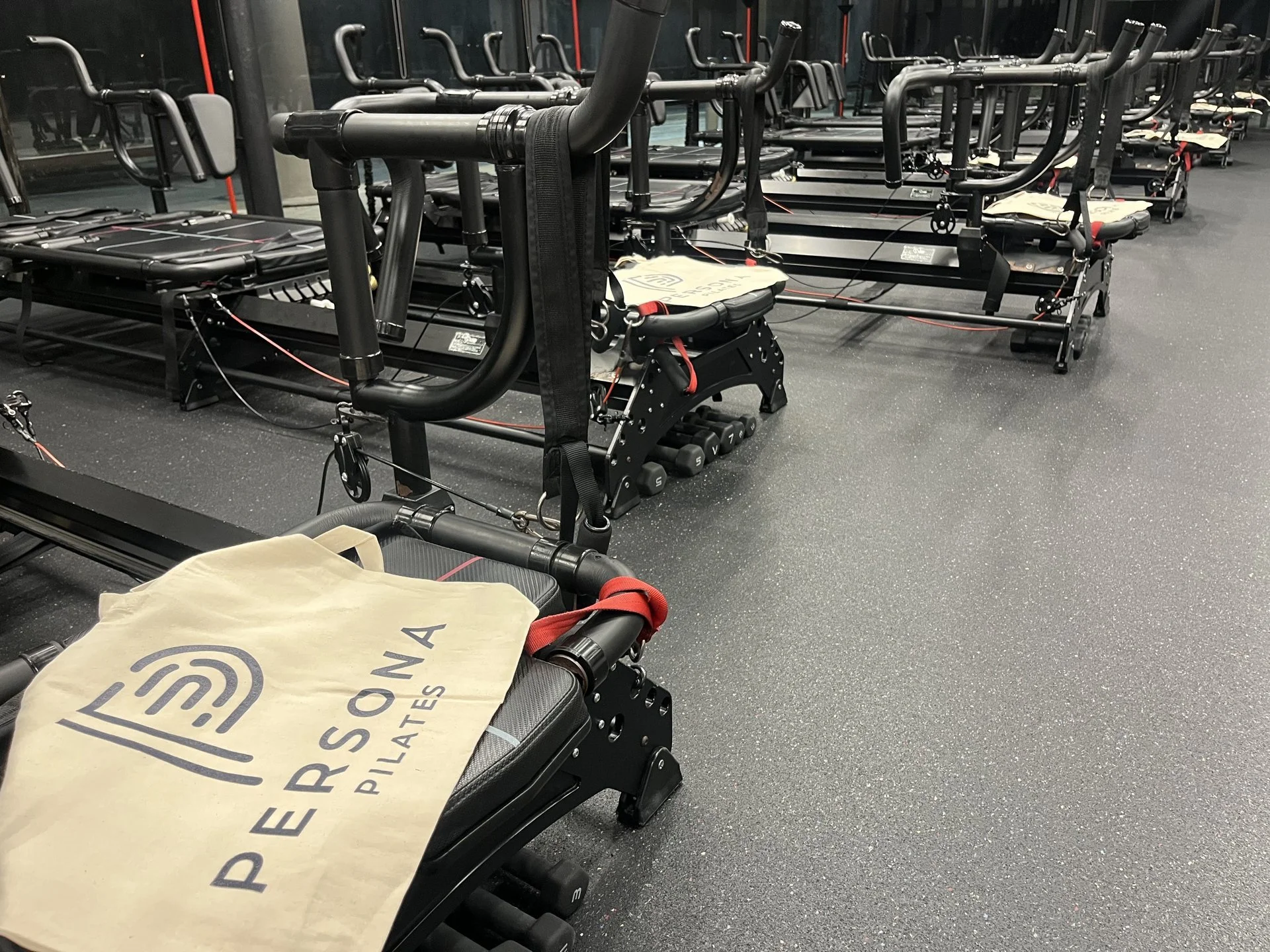
The room is ready before you are. Same machines, your springs, your cues.
Most first classes are on the reformer. Persona Pilates’ custom reformer comes from a partnership with Maven, and the carriage, springs, straps, and footbar are your tools for the next 45 minutes. Your instructor will show you how to set springs and straps safely. You don’t need to memorize a manual.
You will lie, sit, or stand on the carriage depending on the exercise. The carriage moves, and the springs resist. Your job is to move slowly enough that you can control both directions. Skipping impact is the point: you’re loading muscle without pounding your joints.
A few words will come up often. The carriage is the platform that slides. The springs set the resistance. The footbar is where your feet or hands press, and the straps are what you hold or loop around your feet. You’ll pick up the rest by doing it.
If a setup looks confusing, say so. Modifications are always available, so there’s another version of the same idea. First class is for learning the machine while you work, not for pretending you already speak the language.
Your instructor already has your profile
The Persona Survey (the Persona-lized Assessment) sorts you into one of five Personas (Vitality Voyager, Balance Builder, Zen Starter, Power Pursuer, or Recovery Resilient) and generates 1 of 125 unique fitness profiles (your Persona combined with your own attributes). Your instructor reads your data in proprietary software before class.
That’s why day one doesn’t have to include a hallway interview. They already know the outline of your goals and how you tend to move. Hands-on corrections then have a target. They aren’t random taps. They’re coaching aimed at your movement patterns.
If you skipped the survey, take it as soon as you can. The class can still be taught, but it’s sharper when the brief exists.
What happens during the 45-minute class?
The session is full-body, and you’ll work legs, trunk, and upper body. The pace is slow and controlled. You’ll hear group cues so the room stays together, and you’ll get individual cues when your reformer needs them.
You may shake. That’s common when you hold a position under spring tension. Don’t bounce to make it stop, and ask if you’re unsure whether to stay or back off. Sharp or joint pain means stop and tell your instructor.
If you lose track of a cue, pause and look up. Nobody expects you to know the choreography, and your instructor would rather reset you than have you guess. Falling a beat behind the room is fine. Working with control is the goal.
Your instructor will move through the room. In-house training, not a franchise script, is built so they can coach to your Persona profile instead of reciting the same paragraph at every carriage. You’re not invisible because you’re new. New is expected.
Body Scanner is how progress gets tracked over time, and you don’t need to understand that system on minute one. Minute one is check-in, socks, and a coached class.
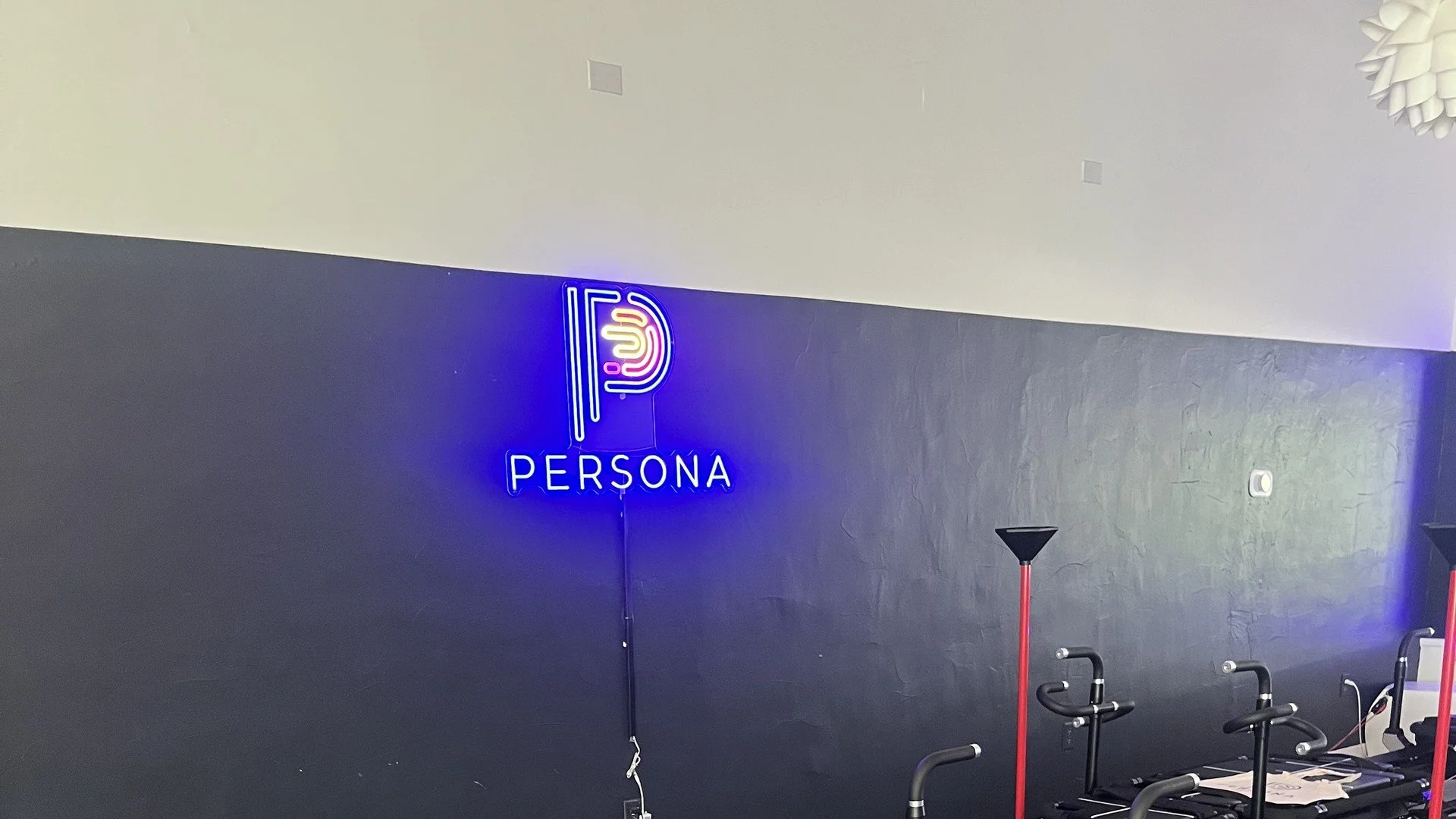
Walk in already introduced. The room, the Maven, and your coach are waiting.
How should you feel after your first class?
You should feel worked, taller in your posture, and clearer about how the reformer moves. You shouldn’t feel lost, punished, or ranked against the rest of the room.
This isn’t a medical appointment, and it isn’t a promise about body composition after a single session. If something hurts after class and doesn’t settle, check with your doctor or a physical therapist. Lean muscle and stronger movement patterns come from showing up again, with a coach who keeps reading your data and watching you.
Is it normal to be sore the next day? Yes, mild muscle soreness a day or two after your first class is common, especially in your core, glutes, and inner thighs, and it usually eases within a few days. Light soreness isn't a reason to skip your next class; tell your instructor and they can adjust springs and pace. Sharp pain, joint pain, or soreness that keeps getting worse is different, so check with a doctor or physical therapist.
It also helps to book your second class soon, while your body still remembers the setup. The second visit usually feels less new, and your instructor can build on what they saw the first time.
Ask questions after class. If a spring felt wrong, say so. If you want a different focus next time, say so. The survey started the conversation, and you get to keep it going.
The only decisions you need to make
Book the class, and complete the Persona Survey. Bring grip socks (or get them there), and show up a few minutes early. Let your instructor put you on the machine and coach you for 45 minutes.
That’s the first visit. Everything else (memberships, regular scheduling, which Austin or Houston studio fits your commute, whether that’s Downtown Austin or somewhere closer to home) can wait until you know how the work feels.
Book your $10 first class. Take the Persona Survey so your first 45 minutes start with a coach who already knows your outline.