
Is Slow Reformer Pilates Better for Building Strength?
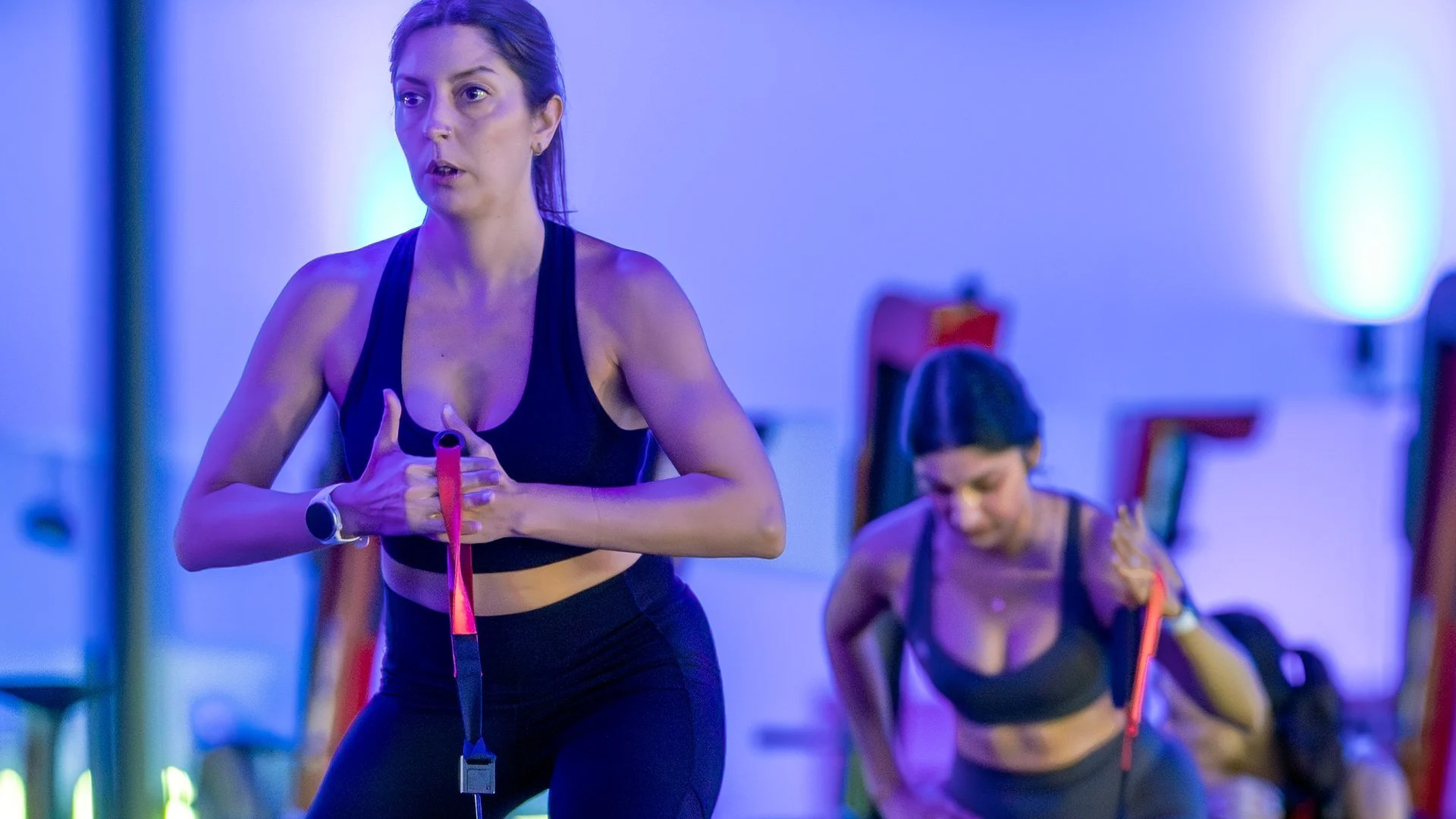
Slow is where the control lives. Hold the shape, then own every inch of the return.
The speed of a rep isn’t what makes it work. What slow, controlled reformer Pilates gives you is a rep that’s harder to cheat, because your muscles keep working through both directions of every movement instead of letting momentum and the springs do the work. At Persona Pilates, classes are 45 minutes of slow, controlled, full-body work on a Maven reformer, so your instructor has time to see your form and give hands-on corrections.
Fast classes can feel productive because they keep you busy. You hop, you rush the return, and you chase the next cue. That’s one way to spend 45 minutes. Persona Pilates teaches slow on purpose, because a slower rep gives your instructor more to see and gives you less room to cheat.
Slow and controlled reformer work asks your muscles to stay in the conversation. You place a limb and keep it. You return it without bouncing out of the spring. That’s how lean muscle gets a reason to stay.
The speed isn’t a vibe. It’s the method. We rebuilt the class around that on purpose.
Why does slow reformer work help your instructor coach you?
If you’re flying through choreography, your instructor can only shout general cues at a moving target. Hands-on corrections need a body that’s still enough to see. Movement patterns show up in the pauses, not in the blur.
At Persona Pilates, your instructor reads your data before class, then watches you in real time. The 3-minute Persona Survey already told them your approach to pace, intensity, and focus. Slow work gives them time to use that brief.
You’ll still work, and you may shake. A little shaking in a held position is common as your muscles work hard. Sharp or joint pain is different, so stop and tell your instructor. Your instructor can then decide whether to shorten the range, change a spring, or let you stay.
What is time under tension on the reformer?
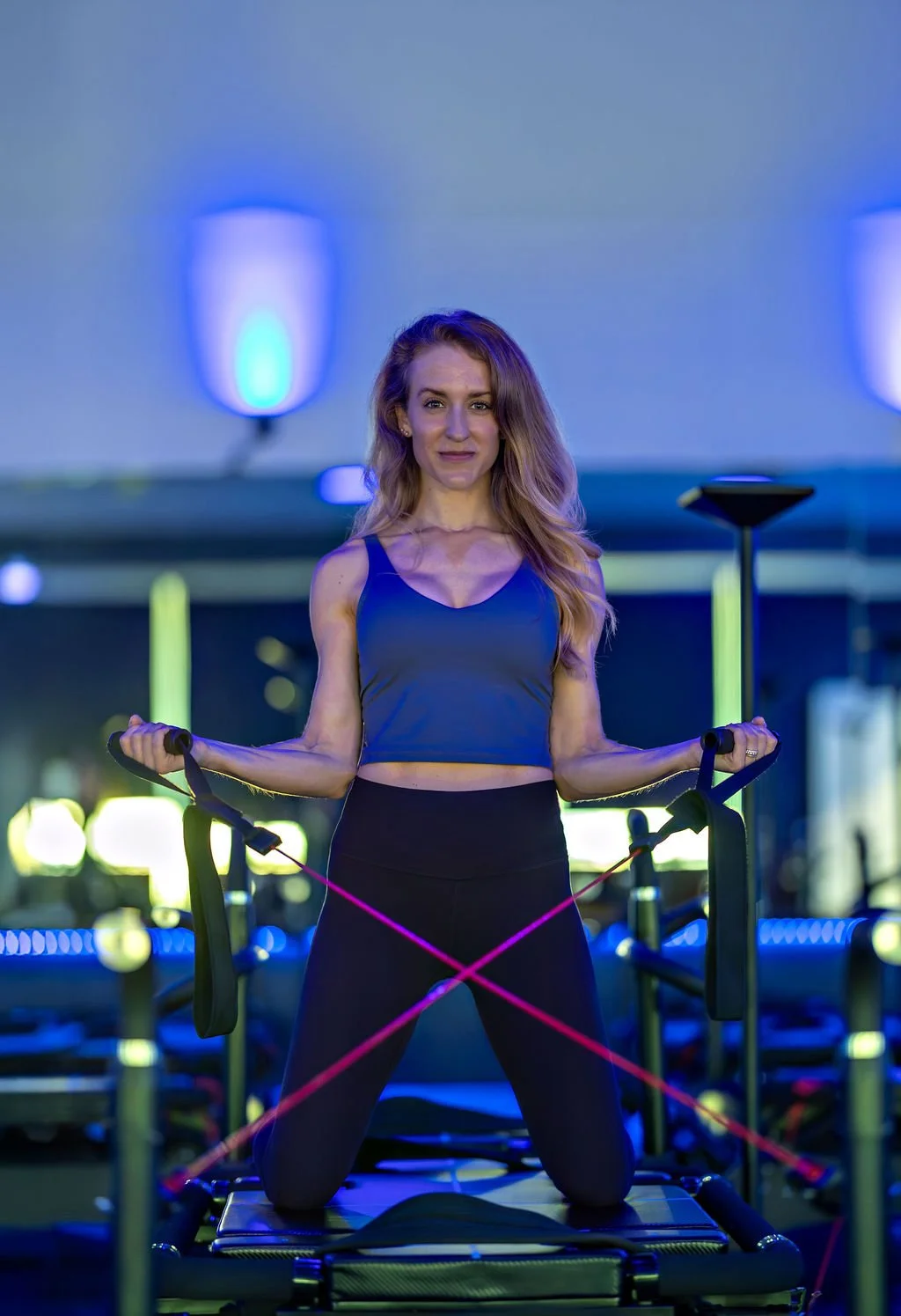
Going out is work. Coming back is work too, if you don’t let the springs pull you home.
Strength isn’t only how much force you can produce. It’s also how well you control it. On a Maven reformer, the carriage and springs give you resistance in both directions. Going out is work, and coming back is work too, if you don’t let the springs yank you home.
At a quick pace, it’s tempting to let momentum carry that second half for you. Slow work keeps you in both halves, which makes each rep harder to cheat.
Lean muscle responds to that kind of demand. Body composition can shift when the work is consistent and hard enough to matter, without beating up the joints you need for the rest of your week. Training without impact isn’t a softer hobby. It’s a way to load muscle without jumping or landing.
You don’t need a lab study quoted at you to understand this. You can feel the difference the first time you’re asked to return the carriage as slowly as you took it out.
Is slow reformer Pilates still hard work?
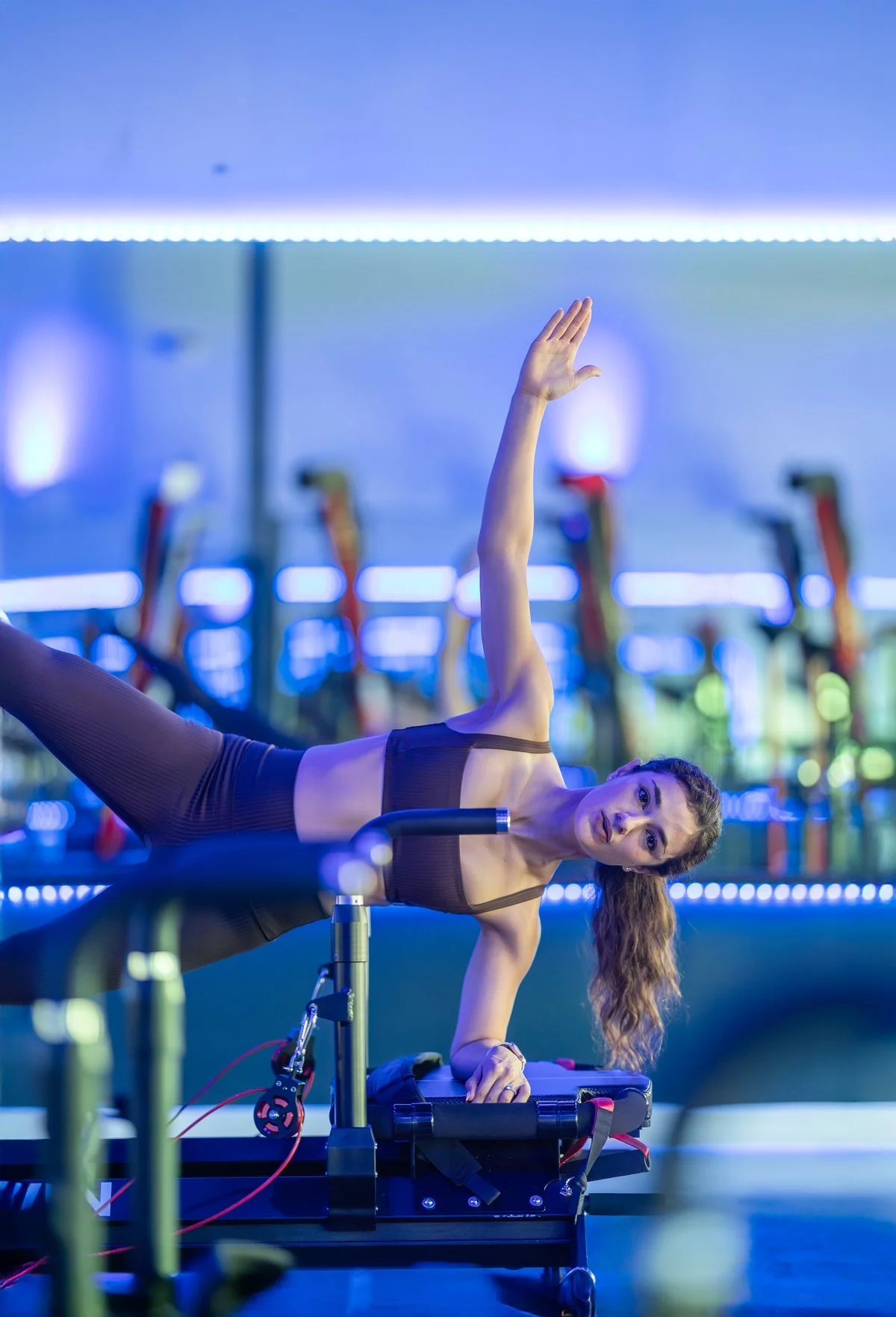
No jumping and no landing. Still plenty of demand when you hold a side plank on a moving carriage.
Pounding is optional, and load is not. The reformer lets you work legs, trunk, and upper body in 45 minutes without jumping, running, or dropping into a loaded landing.
That matters if your knees, hips, or spine don’t enjoy impact. It also matters if they do, and you’d rather save that impact for something else. Slow reformer strength can sit beside other training without copying it.
Modifications mean the load can stay serious even when the shape needs to be smaller. Your instructor can keep the work in a range you can own. That’s how you get stronger without turning class into a negotiation with pain.
Pain is information you should share with your instructor, and with your doctor or a physical therapist if it lingers. This isn’t medical treatment, and it isn’t a promise to fix a diagnosis. It’s coached strength work with room to adjust.
How does your Persona profile set the pace?
Vitality Voyager, Balance Builder, Zen Starter, Power Pursuer, and Recovery Resilient aren’t nicknames for how loud you like the room. They’re labels for pace, intensity, and focus. The survey generates 1 of 125 unique fitness profiles (your Persona, one of five, combined with your own attributes), so your instructor isn’t guessing which version of slow you need.
Some profiles need more time to organize before the spring gets heavier, and some can handle a longer hold once the shape is honest. Slow is the shared language, and the dialect is yours.
In-house instructor training, not a franchise script, teaches coaches to use that profile, then to override it with their eyes. Software is the start, and the person in front of you is the final call.
What will you not hear in this class?
You won’t be told to race through a block of reps, and you won’t hear that faster is fitter. You won’t be left to copy the most flexible person in the room.
You will be asked to control the carriage. You will be asked to breathe in a way that lets your trunk stay organized. You will get a hand on your body when the pattern needs a physical reminder.
Grip socks are required because the work is precise and your feet need to stay put. No experience is needed because slow work is teachable. Your first class is $10 because the fastest way to understand this is to feel it.
Ready to try the slow version?
If you’re used to rushing, your first session may feel unfamiliar. Stay with it. Let your instructor set the pace from your survey, then let your body fill in the seconds you used to skip.
Book a 45-minute class at Persona Pilates in Austin or Houston, whether that’s Arbor Town Square or Houston Heights. Take the Persona Survey first so the person coaching you isn’t starting from a blank page.
Book your $10 first class. Take the Persona Survey so your instructor can set a pace you can control.